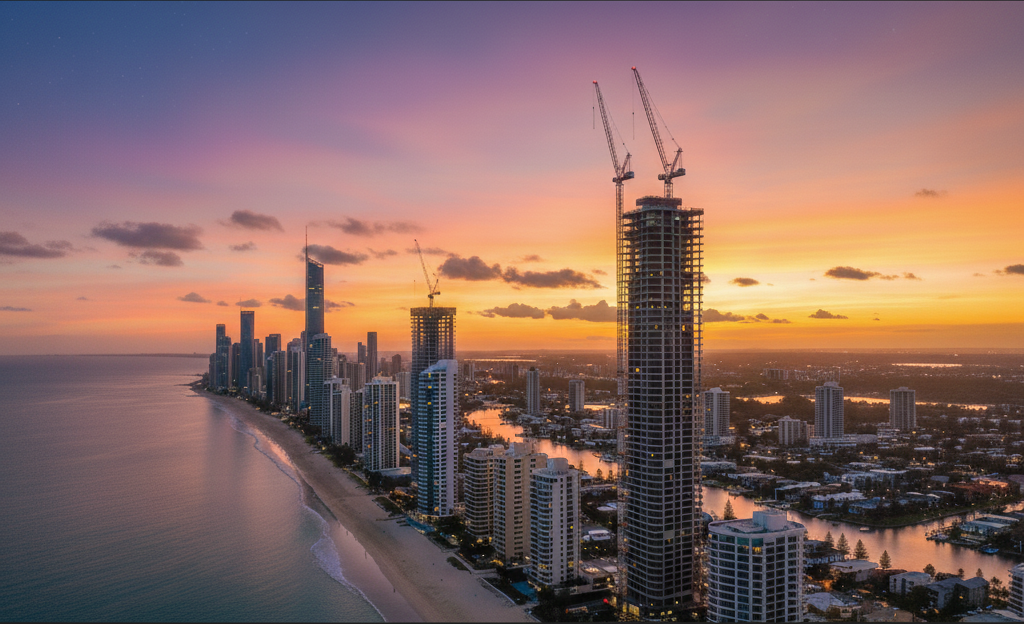
From Industrial Parks to Residential Estates: Diversifying Property Portfolios
15 January 2026 · 5 min read · By Fortis Fundamenta
Property is not a single asset class; it is a collection of distinct markets, each with its own demand drivers, risk profile and cycle timing. A portfolio concentrated in one sub-sector is exposed to the specific dynamics of that market, whereas diversification across sub-sectors can smooth performance over time.
Industrial and Logistics
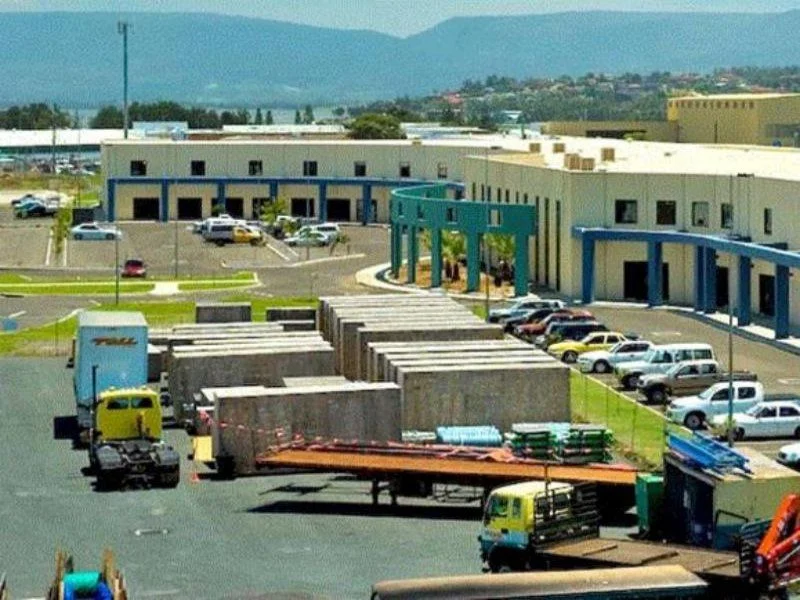
Industrial land and business parks have benefited from structural tailwinds including e-commerce growth and supply chain reconfiguration. Assets in this category typically offer stable, long-term tenancy profiles and comparatively simple management requirements.
Commercial and Mixed-Use
Commercial and mixed-use developments, such as office and retail complexes, offer exposure to business activity and consumer spending. These assets often require more active management but can deliver strong returns when positioned in growth corridors with genuine catchment demand.
Residential Land Subdivision
Residential estates and land subdivisions provide exposure to population growth and housing demand, typically over shorter development timeframes than commercial or industrial projects. When executed well, these projects can offer attractive risk-adjusted returns supported by genuine end-user demand.
The Case for a Blended Approach
By combining industrial, commercial and residential exposure, a portfolio can capture the strengths of each sub-sector while reducing reliance on any single market's cycle. This blended approach underpins our own philosophy toward property development and investment.